


How does the round edge Japanese buckle achieve high-strength fixation and smooth adjustment with a minimalist design?
Release Time : 2026-01-20
In bag, backpack, pet carrier, and even sports equipment shoulder strap systems, the round edge Japanese buckle plays a crucial role in adjusting comfort, ensuring safety, and enhancing overall quality. It lacks complex mechanical structures and electronic components; relying solely on its exquisite geometric shape, meticulous material craftsmanship, and exquisite attention to human-computer interaction details, it achieves a perfect balance between high-strength fixation and smooth adjustment with a simple pull and buckle. This minimalist aesthetic, rooted in Japanese industrial design philosophy, is the core reason for its widespread popularity in the global functional equipment field.
1. Minimalist Structure, Efficient Mechanics: A Clever Fusion of Interlocking Teeth and Lever Principles
Japanese belt buckles typically employ a single or double-piece metal/high-strength engineering plastic structure, the core of which lies in its precisely arranged unidirectional interlocking teeth. When the webbing passes through the buckle and folds back through, the teeth automatically embed themselves into the gaps between the webbing fibers under tension, creating a self-locking effect—the greater the force, the tighter the engagement. This design eliminates the spring or latch mechanism of traditional buckles, reducing potential points of failure and utilizing the inherent material properties of the webbing to achieve a passive locking mechanism that "gets stronger the more it's pulled." Simultaneously, the buckle's edges feature ergonomically designed large-radius rounded corners, preventing scratches to clothing or skin and guiding the webbing smoothly during adjustments, significantly reducing friction and making fine-tuning of the length effortless.
2. Rounded Edge Craftsmanship: From Safety Details to Enhanced Touch
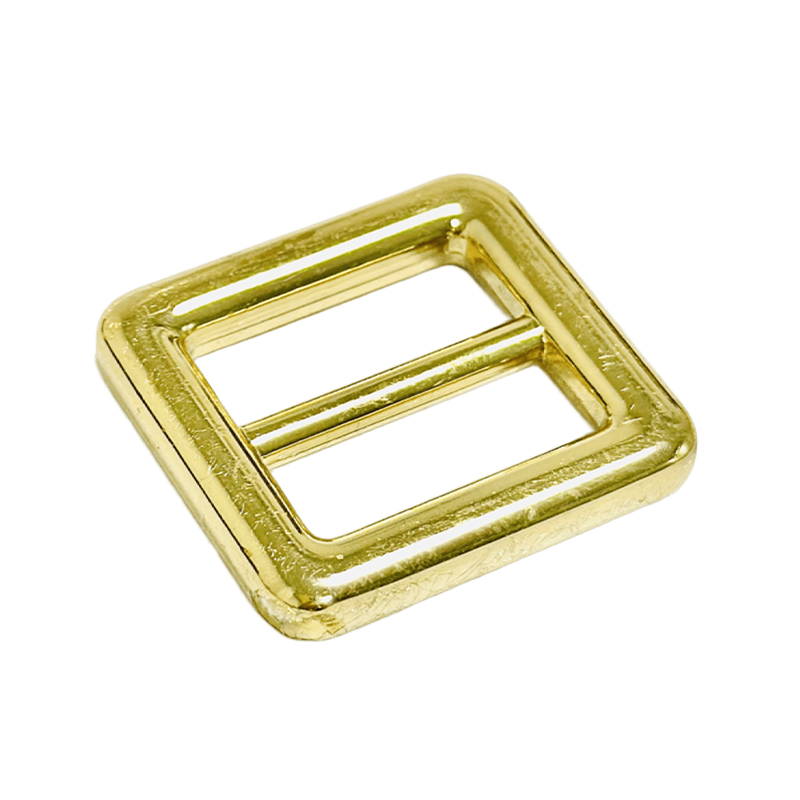
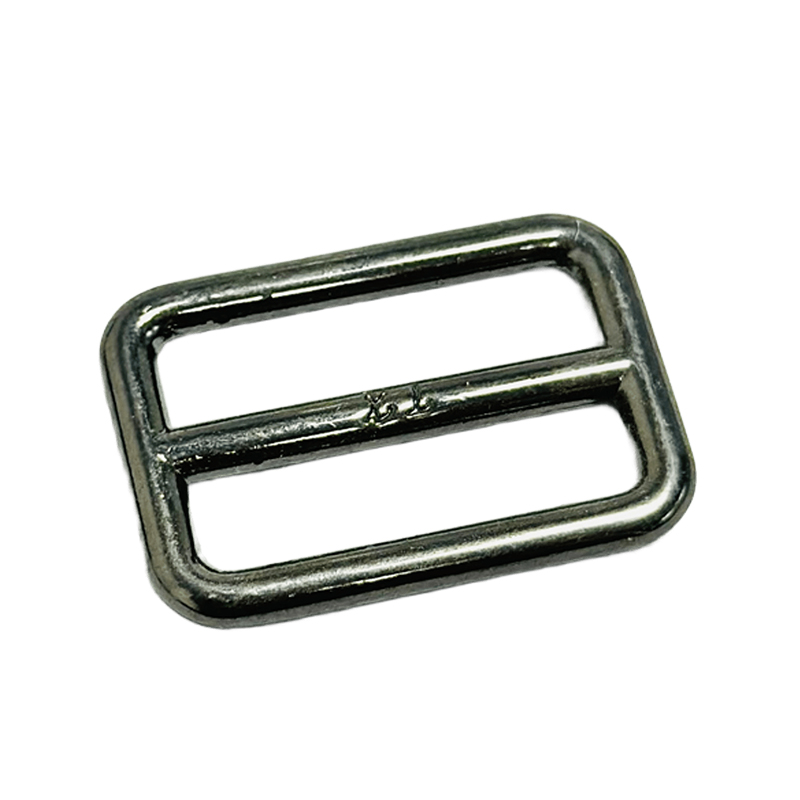
"Rounded edges" are not merely an aesthetic feature, but a dual optimization of function and experience. Traditional right-angle metal buckles are prone to burrs from frequent friction, which can potentially cut webbing fibers or scratch users over time. Japanese-style belt buckles, however, undergo meticulous deburring, polishing, or CNC rounding of the stamped or injection-molded edges to ensure all contact surfaces are smooth as jade. This detail is especially important in close-fitting scenarios such as pet carriers or children's backpacks—it won't cause discomfort even during vigorous running or prolonged wear. Furthermore, the rounded contours give the product a warm feel and an understated sense of luxury, making it a subtle yet sophisticated design highlight even when displayed on high-end outdoor backpacks or fashionable handbags.
3. Materials and Surface Treatments: Balancing Strength, Weather Resistance, and Lightweighting
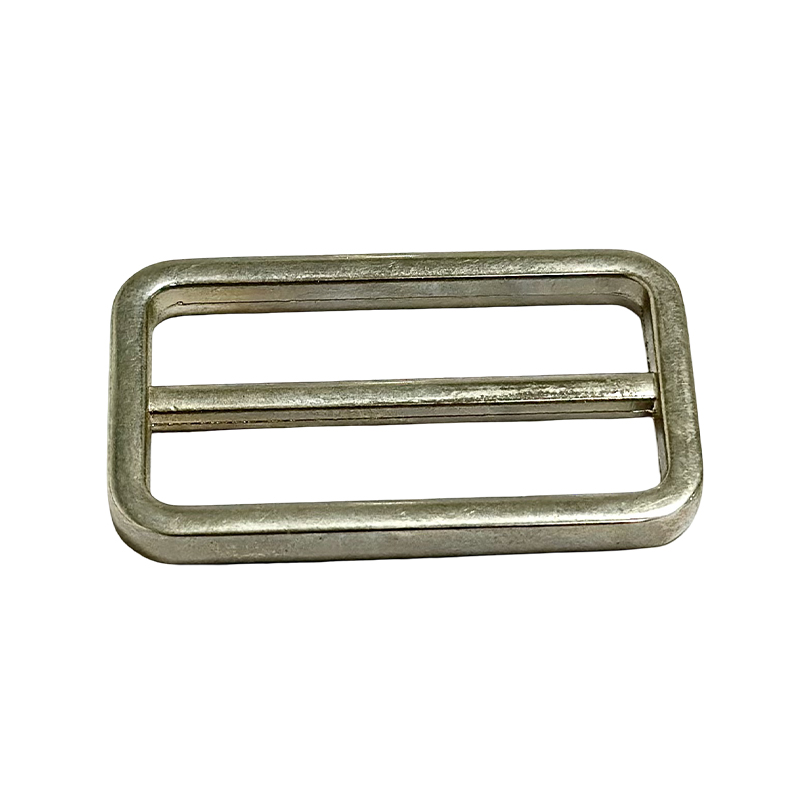
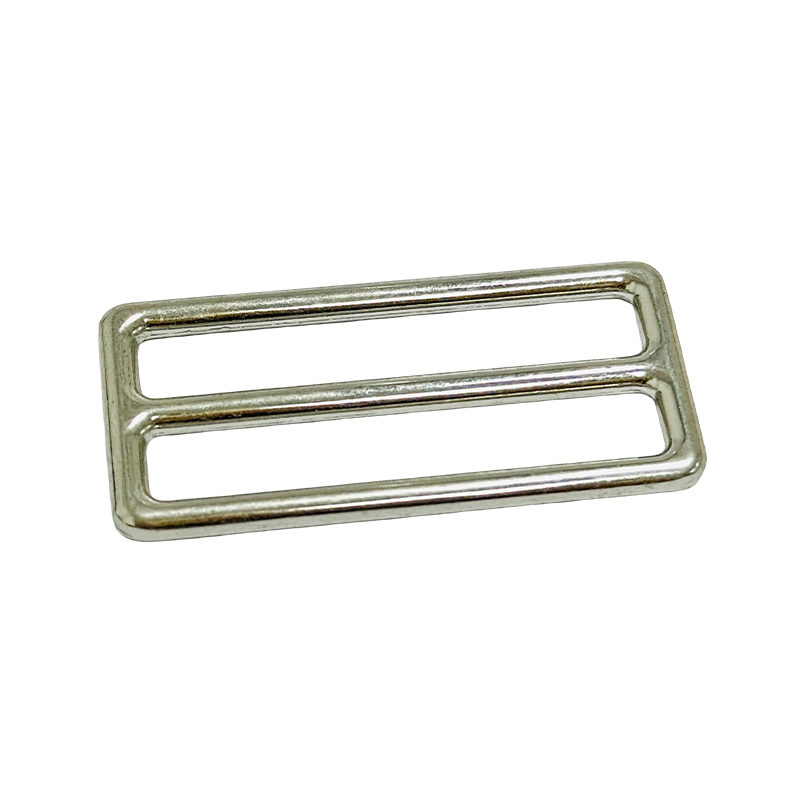
To adapt to different applications, the Round Edge Japanese Buckle is highly selective in its material choices. Models used in mountaineering backpacks or tactical gear often use zinc alloy or stainless steel, treated with electroplating or anodizing, possessing high tensile strength, corrosion resistance, and UV aging resistance; while pet carriers or daily commuter bags tend to use high-strength nylon or POM, significantly reducing weight while ensuring sufficient locking force, and offering excellent abrasion resistance and fatigue resistance. Some high-end products also incorporate diamond-like carbon coatings or sound-absorbing textures, maintaining smooth operation and low noise performance even in extreme environments.
4. Versatility and Modularity: A Systemic Approach to Multi-Functional Buckles
The standardized width of Japanese buckles allows for seamless compatibility with most webbing specifications on the market, greatly enhancing the convenience of replacement and upgrades. Designers can use them as modular components, flexibly applying them to backpack shoulder straps, chest straps, waist belts, pet leashes, and even yoga mat straps. Their "ready-to-use, tool-free" installation method also meets the modern user's need for DIY and quick maintenance. Behind this high versatility lies a deep understanding of industrial standards and user habits, embodying the Eastern design wisdom of "less is more."
The charm of the round edge Japanese buckle lies in its ability to condense complex functional requirements into a small space, carrying reliable performance in a minimalist form. It doesn't overshadow other features, but silently protects the comfort and safety of every trip; it lacks flashy structures, yet conveys precision and care in every pull and lock. It is this design philosophy of "craftsmanship in silence" that makes a small buckle a gentle link connecting people, equipment, and lifestyle.
1. Minimalist Structure, Efficient Mechanics: A Clever Fusion of Interlocking Teeth and Lever Principles
Japanese belt buckles typically employ a single or double-piece metal/high-strength engineering plastic structure, the core of which lies in its precisely arranged unidirectional interlocking teeth. When the webbing passes through the buckle and folds back through, the teeth automatically embed themselves into the gaps between the webbing fibers under tension, creating a self-locking effect—the greater the force, the tighter the engagement. This design eliminates the spring or latch mechanism of traditional buckles, reducing potential points of failure and utilizing the inherent material properties of the webbing to achieve a passive locking mechanism that "gets stronger the more it's pulled." Simultaneously, the buckle's edges feature ergonomically designed large-radius rounded corners, preventing scratches to clothing or skin and guiding the webbing smoothly during adjustments, significantly reducing friction and making fine-tuning of the length effortless.
2. Rounded Edge Craftsmanship: From Safety Details to Enhanced Touch
"Rounded edges" are not merely an aesthetic feature, but a dual optimization of function and experience. Traditional right-angle metal buckles are prone to burrs from frequent friction, which can potentially cut webbing fibers or scratch users over time. Japanese-style belt buckles, however, undergo meticulous deburring, polishing, or CNC rounding of the stamped or injection-molded edges to ensure all contact surfaces are smooth as jade. This detail is especially important in close-fitting scenarios such as pet carriers or children's backpacks—it won't cause discomfort even during vigorous running or prolonged wear. Furthermore, the rounded contours give the product a warm feel and an understated sense of luxury, making it a subtle yet sophisticated design highlight even when displayed on high-end outdoor backpacks or fashionable handbags.
3. Materials and Surface Treatments: Balancing Strength, Weather Resistance, and Lightweighting
To adapt to different applications, the Round Edge Japanese Buckle is highly selective in its material choices. Models used in mountaineering backpacks or tactical gear often use zinc alloy or stainless steel, treated with electroplating or anodizing, possessing high tensile strength, corrosion resistance, and UV aging resistance; while pet carriers or daily commuter bags tend to use high-strength nylon or POM, significantly reducing weight while ensuring sufficient locking force, and offering excellent abrasion resistance and fatigue resistance. Some high-end products also incorporate diamond-like carbon coatings or sound-absorbing textures, maintaining smooth operation and low noise performance even in extreme environments.
4. Versatility and Modularity: A Systemic Approach to Multi-Functional Buckles
The standardized width of Japanese buckles allows for seamless compatibility with most webbing specifications on the market, greatly enhancing the convenience of replacement and upgrades. Designers can use them as modular components, flexibly applying them to backpack shoulder straps, chest straps, waist belts, pet leashes, and even yoga mat straps. Their "ready-to-use, tool-free" installation method also meets the modern user's need for DIY and quick maintenance. Behind this high versatility lies a deep understanding of industrial standards and user habits, embodying the Eastern design wisdom of "less is more."
The charm of the round edge Japanese buckle lies in its ability to condense complex functional requirements into a small space, carrying reliable performance in a minimalist form. It doesn't overshadow other features, but silently protects the comfort and safety of every trip; it lacks flashy structures, yet conveys precision and care in every pull and lock. It is this design philosophy of "craftsmanship in silence" that makes a small buckle a gentle link connecting people, equipment, and lifestyle.